This is a summary of interviews and reports published elsewhere. Links are at the end.
Michael Woodford learned that he had won the 2026 economics prize the way most laureates do: with a phone call from Stockholm before dawn. In the telephone interview published by the Nobel Prize's official site, he described how the call came at about 4:30am on 12 October, on a morning when he was due to set his students an exam.
The exam went ahead
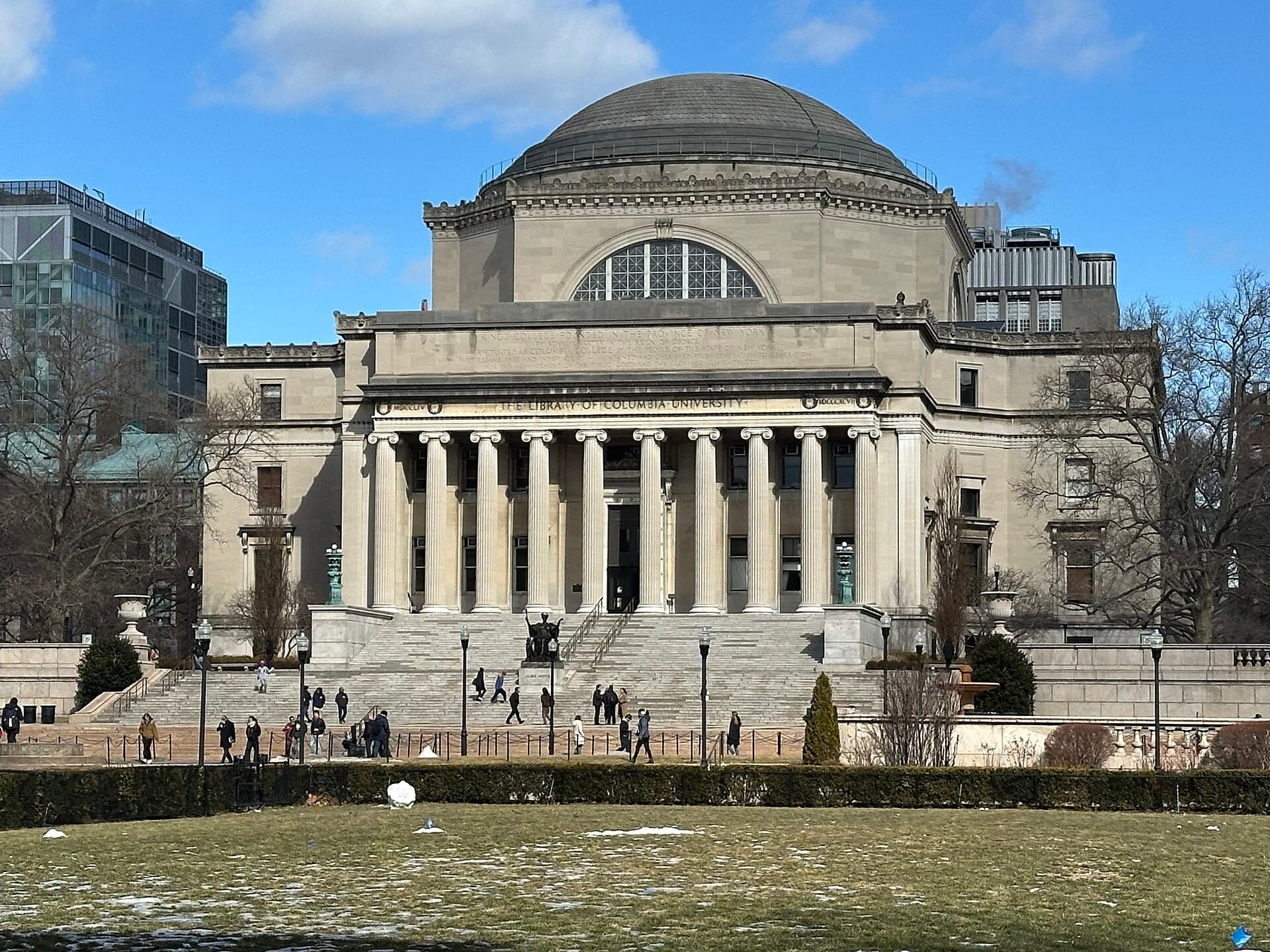
Woodford joked in the interview that his students were probably hoping he would cancel. He did not. New York's PIX11 reported that students at Columbia cheered when he arrived, and that the exam took place as planned.
Credit to Hall, and to Wicksell
In the same conversation, Woodford praised his co-laureate Robert Hall of Stanford, and explained why he admires Knut Wicksell, the Swedish economist who worked at the turn of the twentieth century on how interest rates and prices interact. The debt is visible in Woodford's best-known book, Interest and Prices (2003), whose title echoes Wicksell's own work of the 1890s.
An influence that reached Beijing
Woodford's ideas about central bank communication travelled well beyond the United States. The South China Morning Post recalled after the announcement that he gave a heavily attended speech in Beijing in 2005, arguing that more open communication by central banks produces better-informed markets. The People's Bank of China cited him in its monetary policy report for the second quarter of 2013, on how public expectations shape outcomes once interest rates reach their floor.
Sun Lijian of Fudan University told reporters that the central bank's current priorities, including a clearer policy-rate framework and anchoring market expectations, line up with the New Keynesian approach that Woodford and Hall helped build.
Why it matters for students
The interview is a reminder that abstract models of household and firm behaviour end up shaping very practical decisions: how a central bank explains itself, and how markets react. For anyone studying economics or public policy, Woodford's career shows how far a clear idea about expectations can travel.
Sources
- Michael Woodford, telephone interview, NobelPrize.org, October 2026
- NYC college professor awarded Nobel Prize in economics, PIX11
- China's central bank drew on Nobel winner Woodford's economic models, Qatar Tribune, reporting by the South China Morning Post
- Robert Hall and Michael Woodford awarded 2026 Nobel Prize, NBER