This is a summary of remarks reported by South African media. Links are at the end.
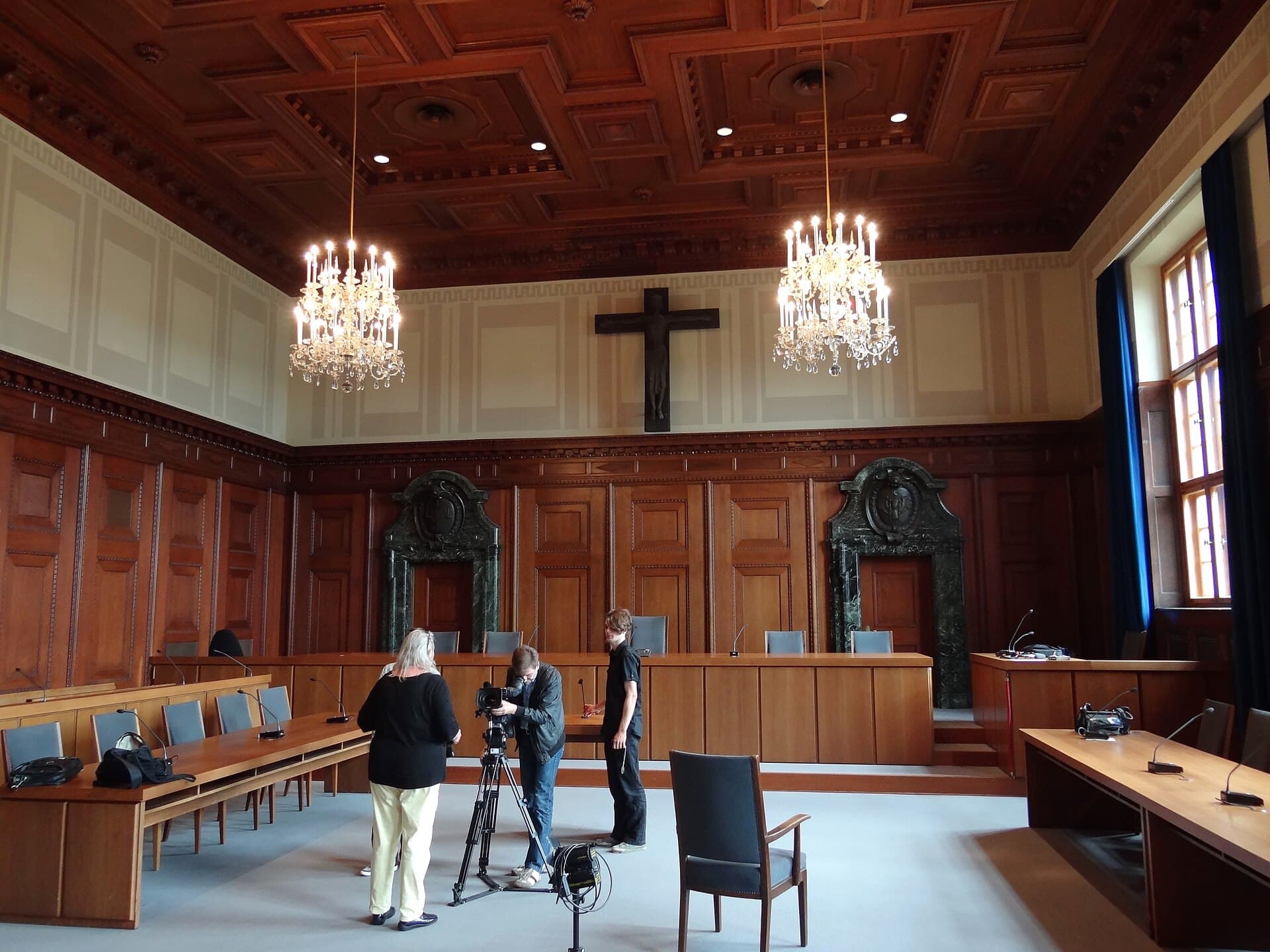
When the Norwegian Nobel Committee announced on 9 October that Navi Pillay had won the Nobel Peace Prize, she was in Nuremberg, in the courthouse where the post-war trials of Nazi leaders laid the foundations of international criminal law. Friends and colleagues were with her.
Checking before believing
Pillay told those around her that she first took the news for a joke. As a lawyer and a judge, she said, she wanted to verify it, even after news outlets had begun reporting it. She added that public support is what gives such recognition its meaning.
Courage, or simply the law?
Her recent work on a UN commission report that described the situation in Gaza as genocide has drawn both praise and criticism, and many have called her courageous for it. Pillay pushed back on that framing: she asked why courage should be needed at all, since the work of a judge is to interpret the law and weigh the facts impartially.
Still at work at 85
Pillay turned 85 the month before the award, and she has not retired. She sits as an ad hoc judge at the International Court of Justice in the case brought by The Gambia against Myanmar over alleged genocide against the Rohingya, and she supports the Nuremberg Principles Academy, which promotes international criminal law.
A fitting place
Nuremberg's Courtroom 600 is where, in 1945 and 1946, judges first held individual leaders responsible for crimes against peace and humanity. Pillay's own career, from defending anti-apartheid activists to presiding over the Rwanda tribunal, has been an extension of that idea. Hearing the news there gave the moment an unusual symmetry.
Sources
- "I thought it was a joke": Navi Pillay reacts to Nobel Peace Prize win, TimesLIVE, 9 October 2026
- Navi Pillay reacts to Nobel Peace Prize win, BusinessDay, 9 October 2026